How Miami's Humidity and Salt Air Damage Your Home's Exterior
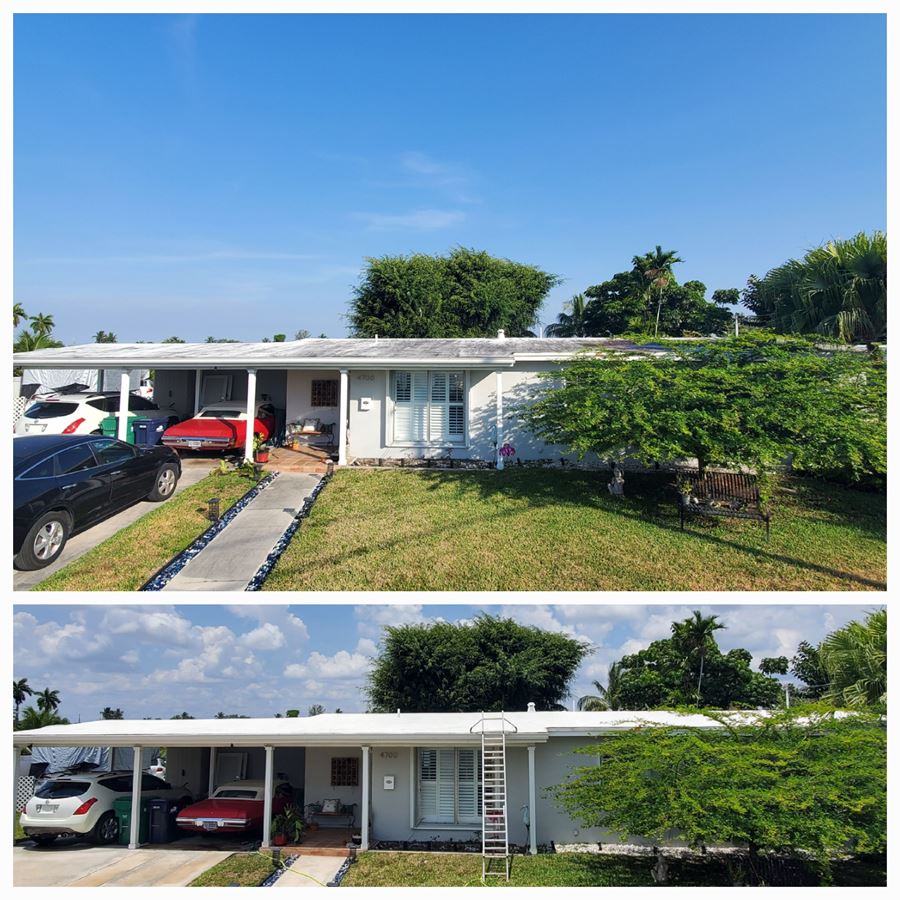
Warm, humid air and salty sea breeze are part of life in Miami, FL. They also put your home’s exterior under constant stress. If you have spotted dark streaks on stucco, chalky paint on sunlit walls, or rust on fixtures, you are seeing the results. This guide explains what Miami’s weather does to siding, paint, and trim and how professional house washing miami keeps small problems from becoming big repairs.
We will also show how a low-pressure, chemistry-led approach protects delicate finishes better than brute force. When you are ready for a safer, longer-lasting clean, explore our house washing service for a method built for coastal conditions.
Why Miami Weather Wears Down Siding, Stucco, and Paint
Miami’s average humidity keeps surfaces damp, which feeds algae and mildew. Salt crystals travel inland from Biscayne Bay and the Atlantic and stick to walls, trim, and glass. Afternoon showers re-wet everything, then the sun bakes residues in place. Over time, this cycle stains walls and weakens protective coatings.
- Humidity fuels biological growth like algae, mildew, and mold that discolor and roughen stucco.
- Salt air leaves a thin film that holds moisture against paint and metals, speeding flaking and corrosion.
- UV and heat open microscopic pores in coatings, letting grime and salts “lock in.”
Homes near open water in Key Biscayne and Miami Beach feel the fastest salt buildup. Shaded, tree-lined streets in Coral Gables, Coconut Grove, and Pinecrest see quicker algae return after rain. Inland areas like Doral collect dust that bonds with humidity to form stubborn films.
Early Warning Signs You Can Spot
Catch issues early and cleaning lasts longer. Watch for these common signals around Miami homes:
- Green or black algae blooms on north and shaded walls, especially lower stucco bands.
- Powdery white residue on paint or hairline rust around screws, gates, and light fixtures.
- Shadowy “ghost” stains that reappear after a rinse on stucco and painted trim.
- Cloudy windows with faint salt spots that return quickly after wiping.
Do not ignore recurring streaks or algae shadows. They point to growth anchored below the surface that needs a professional treatment plan, not just water pressure.
What Professional House Washing Does That Hoses Can’t
A garden hose or a high-pressure blast moves loose dirt, but it does little for bonded salt, organic films, and etched stains. A trained team uses measured cleaning solutions that break the bond between salt, mildew, and the surface, then rinses with controlled, low pressure so finishes stay intact.
With professional house washing, techs choose solution strength for stucco, painted concrete, vinyl, wood trim, and aluminum. They mind dwell time and rinse angles so water sheds cleanly without driving into gaps, seams, or weep holes. The result is a deeper, safer clean that lasts longer in our climate.
Soft Washing vs. High Pressure In Miami’s Climate
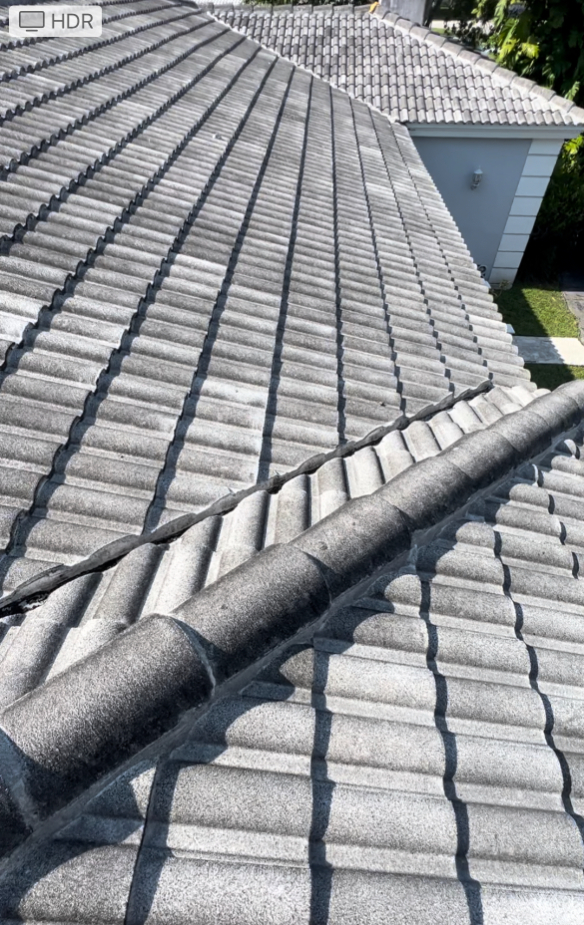
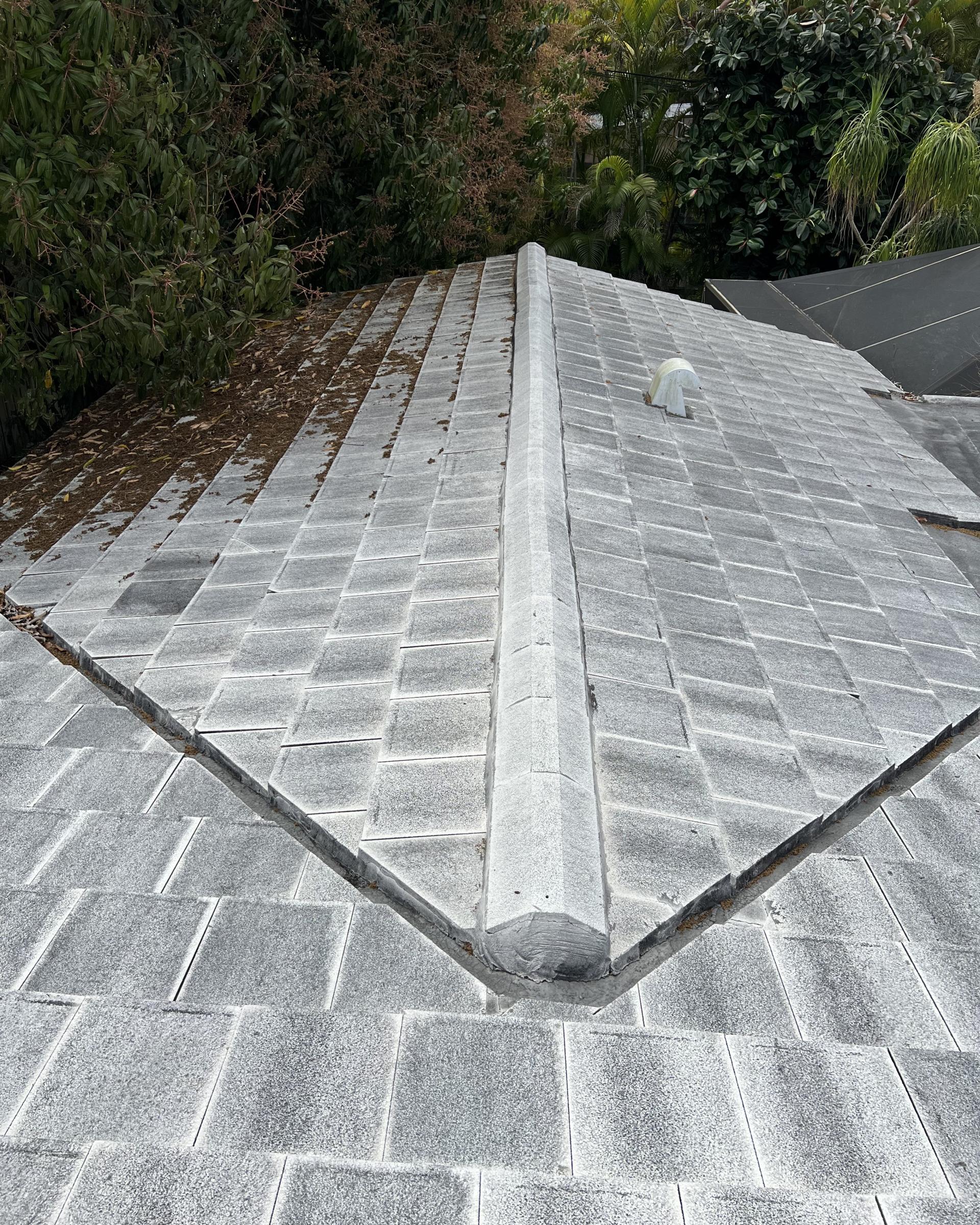
High pressure can scar stucco, lift paint, and force water behind laps. Soft washing uses calibrated chemistry and gentle rinsing to release grime without damage. That same principle is why low-pressure methods are preferred on fragile tile roofs across Miami. For a deeper look at gentle, surface-safe methods, see this take on soft washing in miami.
Never allow close-range, high-pressure blasting on stucco or painted siding. It can etch patterns, create leaks, and void finish warranties.
How Materials On Miami Homes React To Humidity and Salt
Different exteriors handle our climate in different ways. A pro tailors the plan to the surface so you get a clean finish without harm.
- Stucco: Porous and textured. Holds algae in tiny pits. Benefits from solution-forward cleaning and wide, low-pressure rinses.
- Painted Concrete and Masonry: Prone to chalking. Needs gentle rinsing to avoid striping and premature wear.
- Vinyl Siding: Can trap moisture behind laps. Requires soft washing and careful angles that move water out, not in.
- Wood Trim and Fences: Absorbent. Demands low pressure and rinses that respect grain and coatings.
- Aluminum and Metals: Salt accelerates oxidation and rust around fasteners and seams.
Salt air bonds faster on coastal-facing walls and metal details. A routine wash breaks that bond before corrosion takes hold.
Miami, FL Timing: The Best Schedule To Stay Ahead
The Atlantic hurricane season runs from June through November. That stretch brings sticky air, strong winds, and repeat showers that reload salt and growth. The smart move is to clean before peak storms, then reassess after the wettest months.
Typical cadence in our area:
- Proactive clean in late spring to start the season with a fresh, protected exterior.
- Mid-season check if your home sits near canals, bayside exposures, or heavy tree cover.
- Post-storm inspection to clear salt film and organic debris from walls and windows.
Schedule exterior cleaning before the summer surge so chemistry can dwell properly and you head into the season with a protective, even finish.
What To Expect When You Hire Florida BlueLine Pressure Washing
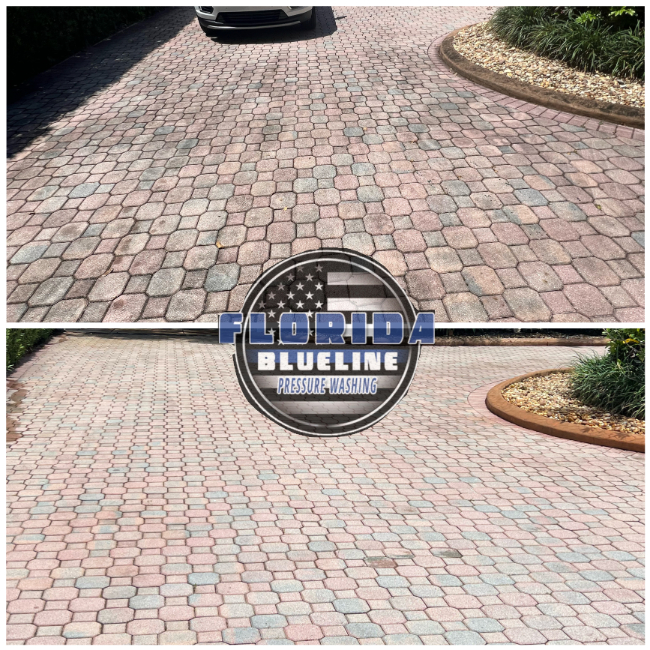
Quality results come from a clear process. Your crew inspects materials, notes sensitive areas, and shields landscaping and fixtures. They choose the right solution strength for each surface, then rinse with measured flow so siding and trim dry clean and even. If your driveway, walkways, or pool deck also need attention, it is easy to coordinate a same-week refresh under residential pressure washing so everything cures uniformly.
On stucco-heavy neighborhoods like Kendall and Westchester, a low-pressure approach keeps texture crisp. In coastal pockets of Miami Beach and Key Biscayne, the focus is on removing salt film and protecting metals around gates, balconies, and railings.
Protecting Metals, Windows, and Surroundings
Salt targets the weak spots first. Fasteners, hinges, mailbox mounts, and decorative hardware show early rust. Glass collects fine salt and minerals that cloud the view. A professional visit includes controlled rinses, gutter and sill flushing, and attention around fixtures and screens so residue does not streak back onto clean walls.
Landscaping matters too. Hibiscus, palms, and turf benefit from pre‑wetting and post‑rinses that buffer chemistry. That is part of a responsible, homeowner‑friendly plan that leaves curb appeal high and plants happy.
Neighborhood Realities Across Miami
Every part of town has its own challenges. Tree-lined Coral Gables blocks hold damp shade where algae thrives. Brickell and Downtown high-rises funnel winds that drive salt mist deeper inland. Little Havana’s older masonry can chalk and stain if not cleaned with care. Open lots in Doral collect dust that turns to sticky film after humidity spikes. A seasoned team recognizes these patterns and tunes the clean for your street.
How Professional Cleaning Helps Before and After Storms
Before the season ramps up, a thorough wash removes grime that could streak during heavy rain. Clean walls and trim shed water better than dirty ones. After the worst of the wet months, a second visit clears salt, pollen, and organic residue so coatings last and your home looks fresh as winter visitors return.
Pairing services within a short window helps finishes dry consistently. Many homeowners book walls with a follow-up for windows, driveways, and pool decks so everything brightens together and stays that way longer in our climate.
Your Next Step To A Cleaner, Longer-Lasting Exterior
If you want a safe, thorough clean designed for coastal weather, talk with the Miami team that focuses on chemistry first and pressure second. Learn how a gentle approach protects your siding, stucco, and trim by browsing our house washing service, then call 786-261-4993 to plan a date that fits the forecast and your schedule. For broader exterior needs, our pressure washing miami specialists can coordinate a whole‑home refresh that looks great from curb to backyard.
Ready when you are. Florida BlueLine Pressure Washing is proud to serve neighborhoods across Miami, FL with careful methods and reliable results that last.
.jpeg)